






Many travelers assume that visiting Vietnam during the rainy months means ruined plans and gray skies. However, travel off-season in Vietnam actually offers a unique charm that the peak months can’t match. Beyond the occasional shower, you’ll find lush landscapes, half-priced luxury, and iconic sites free from the usual tourist swarms.
In this article, Travel Sense Asia will show you exactly where to go and the best tips to master your off-peak adventure.
When is the low season in Vietnam?
Because Vietnam is so long and skinny, stretching across various latitudes, “low season” means something completely different depending on where you land.
The low season in Vietnam generally runs from May to September for the North and South, while the Central coast sees its quietest (and wettest) months from September to early December.
Here is the breakdown of what to expect:
- Northern Vietnam (May – September): This is the height of summer. It’s hot, humid, and prone to heavy rain. Temperatures usually hover between 25°C and 35°C (77°F–95°F), but during heatwaves, it can spike past a blistering 40°C (104°F).
- Central Vietnam (September – December): While the rest of the country starts to dry out, the Center gets soaked. This is the wettest time of year here, driven by the Northeast monsoon. It’s much cooler, though, with pleasant temperatures ranging from 20°C to 28°C (68°F–82°F).
- Southern Vietnam (May – September): Expect classic tropical monsoon weather. It’s hot and humid with daily downpours, usually in the mid-afternoon. Temperatures stay steady between 25°C and 35°C (77°F–95°F).

Most travelers get scared off by the words “monsoon” or “heatwave,” thinking the weather will ruin their trip.
Don’t let that stop you!
The truth is, the weather during the low season is actually quite refreshing. In the South, the rain usually comes in short, intense bursts. It pours for an hour, clears the humidity, cools everything down, and then the blue skies return. Plus, you’ll find significantly fewer crowds at Ha Long Bay or Hoi An, and lush, green landscapes that you just won’t see during the dusty dry season.
Top reasons to travel to Vietnam during the low season
If you’re the type of traveler who prefers a quiet corner of a café over a crowded tour bus, the low season might actually be the best time for you to visit. While everyone else is waiting for “perfect” weather, you can score some of the best experiences the country has to offer.
Fewer crowds and authentic local encounter
Traveling off-peak means swapping suffocating crowds for breathing room at iconic landmarks. You’ll skip the long ticket lines and capture stunning photos without strangers in every frame. With fewer tourists around, locals and guides have more time to share stories, offering a deeper, more personal connection to the culture.
Budget-friendly deals and lower prices
Your travel fund goes twice as far when the crowds thin out. Airfare often drops by half, and luxury resorts slash their rates to fill rooms, offering high-end experiences for a fraction of the cost. You can easily snag last-minute bookings or even score free room upgrades that would be impossible during peak months.
Vibrant scenery and thrilling adventures
The rain transforms the Vietnamese landscape into a lush, emerald paradise. Mountain rice terraces turn a vivid green, and waterfalls roar with a power you won’t see in the dry season. For adventure seekers, this is the best time for excitement; increased water levels in the rivers create the perfect conditions for adrenaline-pumping activities like kayaking and whitewater rafting.
🌟 FEATURED ON VIETNAM NATIONAL AUTHORITY OF TOURISM
Travel Sense Asia is proudly recognized and recommended by the Vietnam National Authority of Tourism. Discover more about our commitment to authentic tourism on their official website.
Best destinations for low season travel in Vietnam
While the weather might be a bit more unpredictable, we suggest these specific spots where the Vietnam low season actually adds to the charm, offering a more intimate look at the country’s most iconic landmarks.
Sapa and Mu Cang Chai
While the rains from May to September can make the trails a bit muddy, this is when the iconic rice terraces of Sapa and Mu Cang Chai are at their most breathtaking.
You’ll witness the “falling water” season at spots like Muong Hoa Valley or La Pan Tan, where the fields turn into giant mirrors before erupting into a vibrant, lush green. It’s also a fantastic time to connect with local ethnic minority groups and see traditional farming life up close without the usual swarm of hikers.

Lush green Sapa rice terraces shine beautifully during the quiet low season. (Source: Internet)

Admire the serene turquoise Ban Gioc Waterfall in the quiet low season (Source: Internet)
Cao Bang
If you are wondering where to go in Vietnam in low season, Cao Bang in late autumn is a hidden gem. The cool, dry weather is perfect for exploring Ban Gioc Waterfall, which flows with a serene turquoise hue this time of year.
You can wander through blooming buckwheat flower fields in Trung Khanh or explore Nguom Ngao Cave without the crowds. It’s the ideal season to hike near Thang Hen Lake and warm up with roasted chestnuts and smoky local sausages in the crisp mountain air.
Hanoi
In the capital, the low season brings a rare sense of peace to the Old Quarter. Without the usual swarms of tour groups, the narrow alleys feel more like the historic heart of the city they are meant to be.
It’s the perfect time to hide away from a passing shower in a hidden cafe or spend a slow afternoon wandering through the Temple of Literature. The quieter streets mean you can actually hear the city’s pulse and enjoy street food tours without the frantic rush.
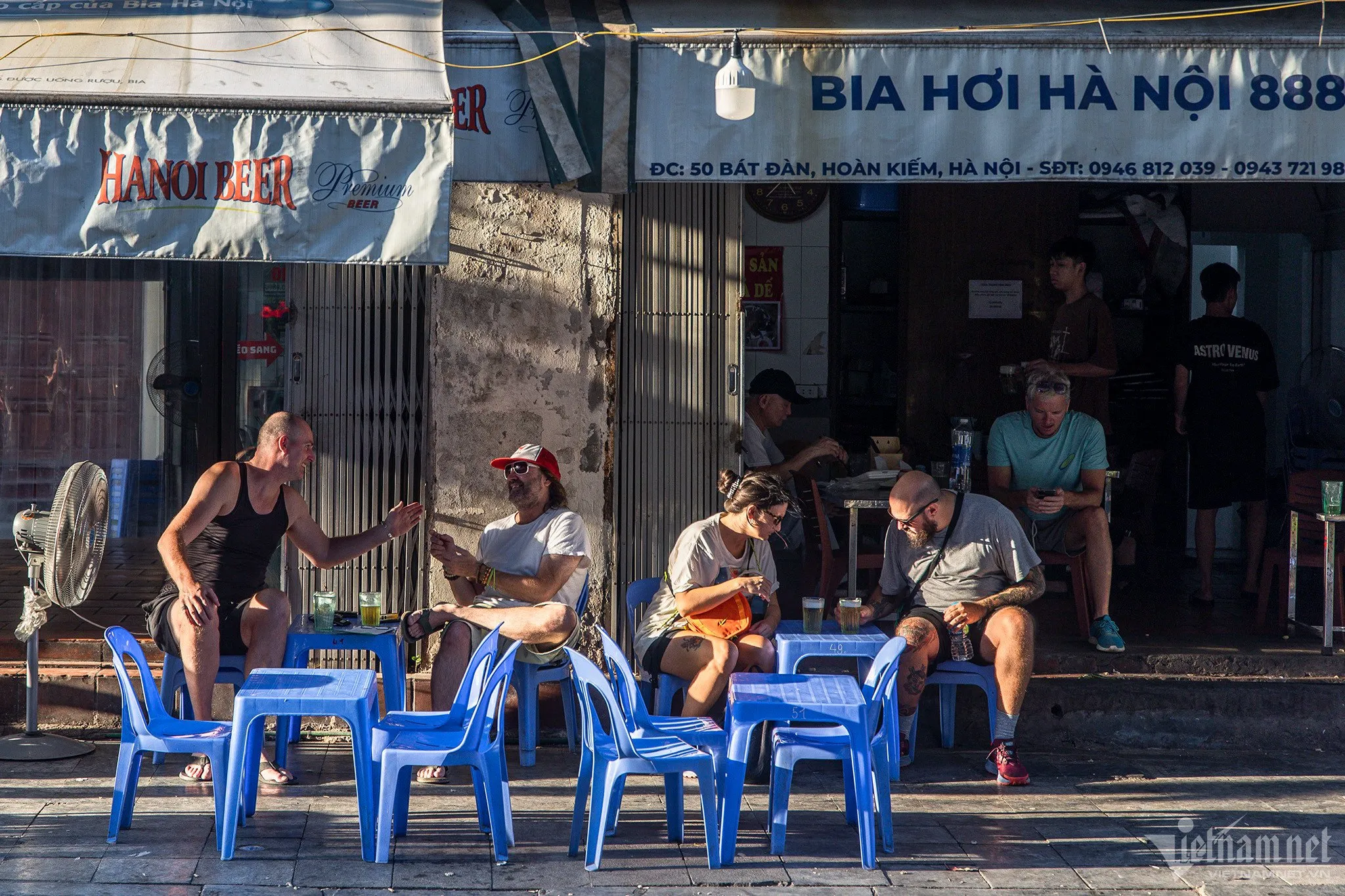
Nothing beats cooling off from the scorching Hanoi summer with a glass of draft beer. (Source: Internet)
STREET FOOD & CULTURE
Walking through Hanoi’s Old Quarter during the quiet season is the best time to indulge. Join our signature Hanoi Street Food Tour to eat like a true local.

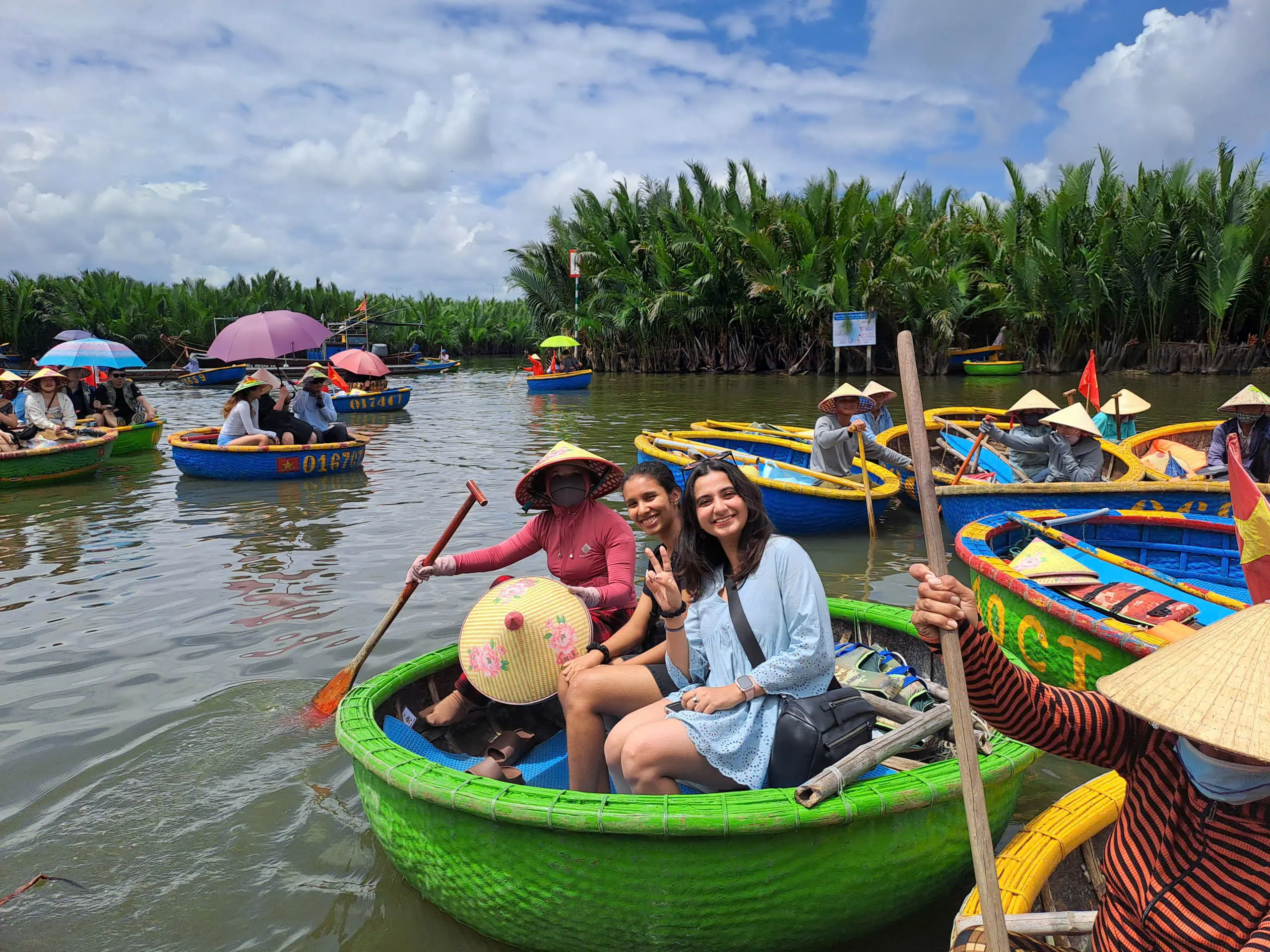
Enjoy a peaceful sampan ride through the lush, green Trang An landscape. (Source: Internet)
Ninh Binh
Rain is a blessing for Ninh Binh’s landscape, turning the “Ha Long Bay on Land” into a vibrant emerald masterpiece. After a downpour, the limestone karsts and rice paddies around Tam Coc and Trang An look incredibly sharp and lush.
You can take a sampan boat ride along the Ngo Dong River in total peace, or climb the 500 steps of Mua Caves for a panoramic view of the valley without having to elbow your way through a crowd for a photo.
Hoi An
The Hoi An Ancient Town is famously crowded, but during the low season, it breathes again. You can stroll under the silk lanterns at night in near silence or grab a bicycle to explore the surrounding countryside and An Bang Beach without the heavy traffic.
This is also the best time to check into high-end resorts like those along the Cua Dai coast. Since occupancy is lower, you’ll often find luxury villas at a fraction of their usual price.
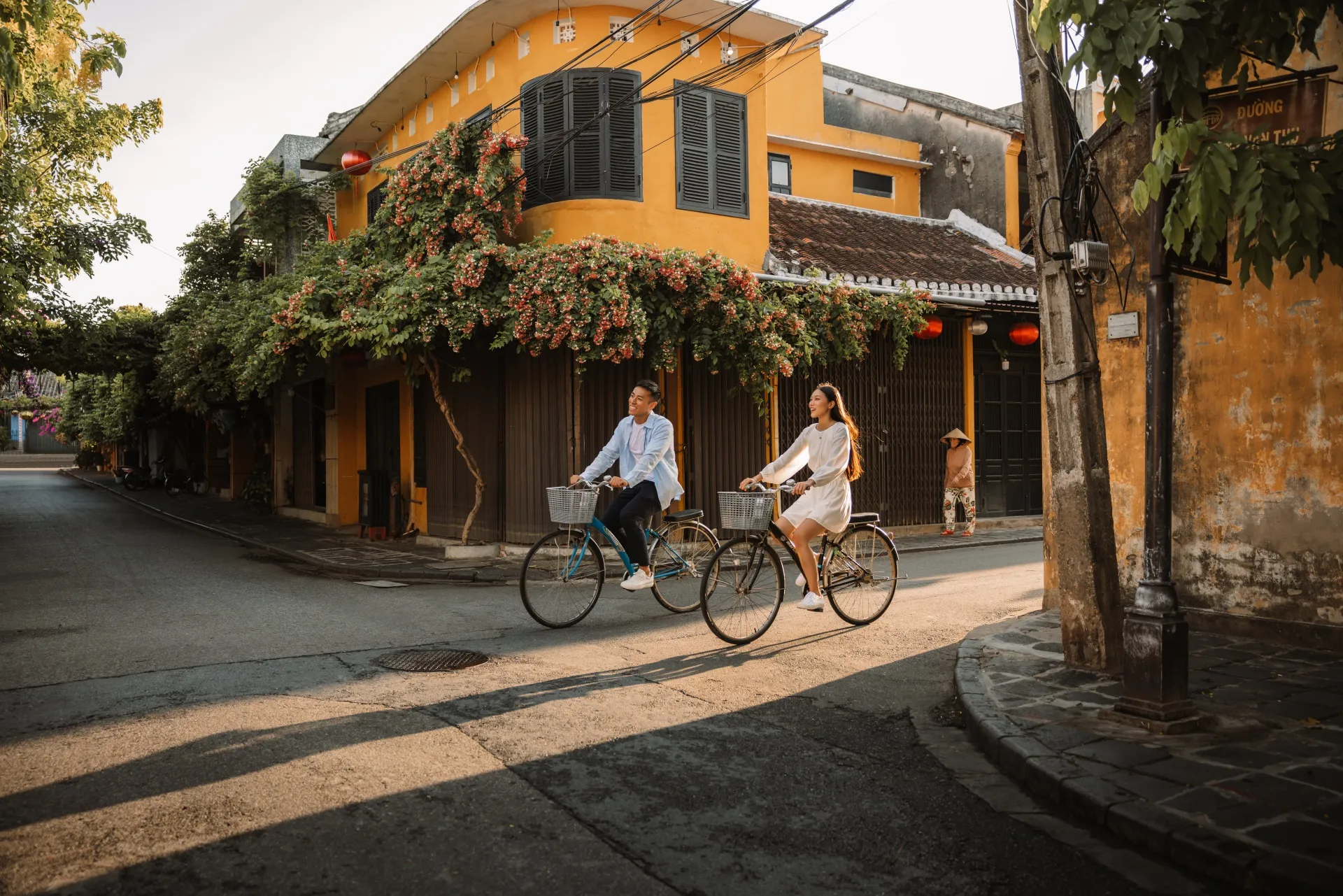
Cycling around the old town is a popular experience in Hoi An. (Source: Internet)
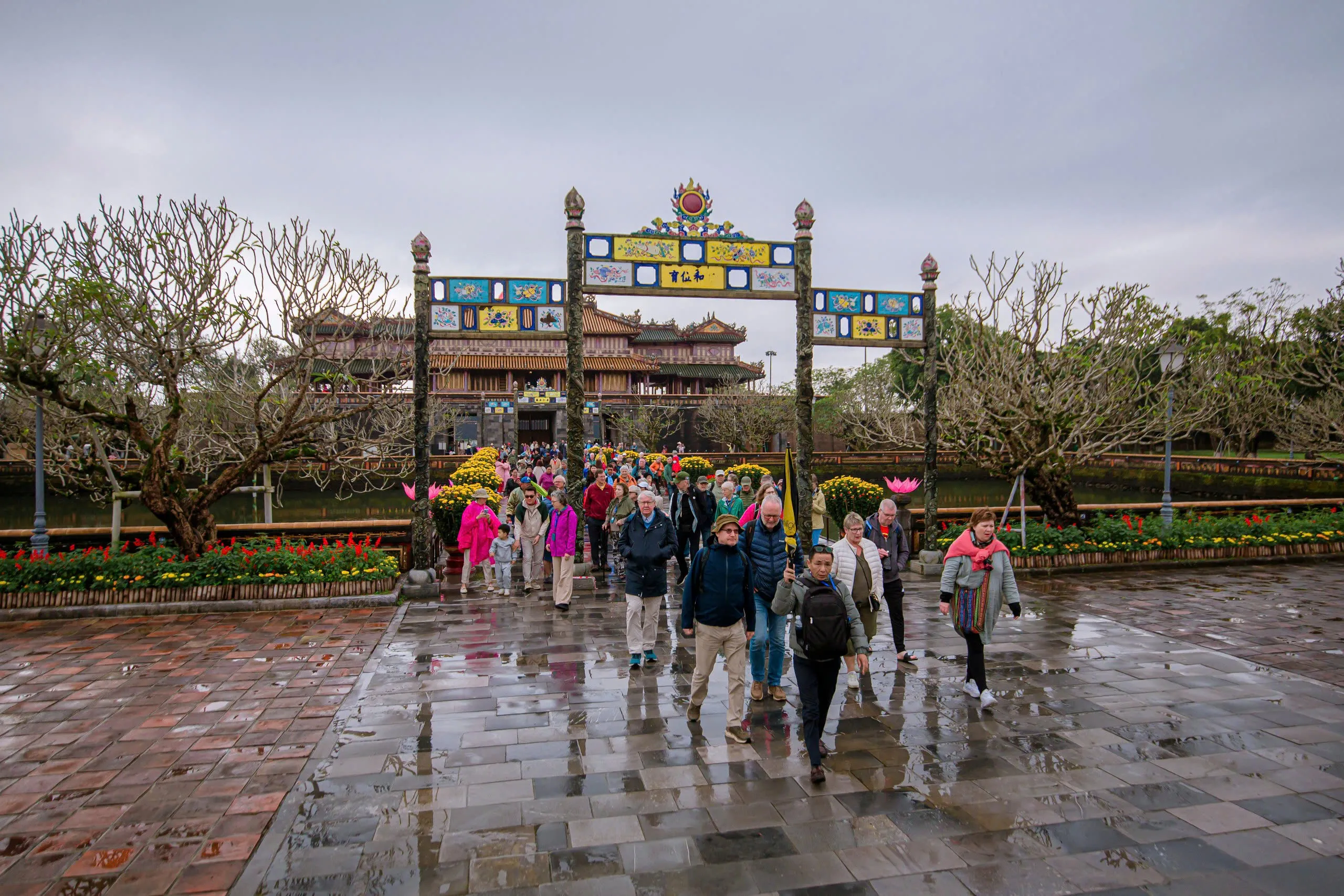
The misty, poetic charm of Hue’s Royal Citadel during the quiet low season. (Source: Internet)
Hue
There is a specific kind of poetic beauty in Hue when it rains. The mist and drizzle enhance the ancient, stoic vibe of the Imperial City and the various Royal Tombs. You can take a traditional dragon boat slowly down the Perfume River to listen to Ca Hue (classical music) in a serene environment, free from the noisy crowds that usually pack the historic sites during the summer months.
DISCOVER HOI AN
Hoi An has become a hot choice for travelers who want a high-quality experience on a manageable budget in Vietnam. This guide will show you exactly how to visit this town with a $500 budget.
Da Lat
If you want to escape the tropical heat, Da Lat is the ultimate place to slow down. During the low season, a cool mist often settles over Xuan Huong Lake and Tuyen Lam Lake, giving the pine forests a romantic, moody atmosphere.
It’s the perfect setting to duck into a cozy local café, enjoy the chillier mountain air, and experience the “City of Eternal Spring” at a much more relaxed pace.
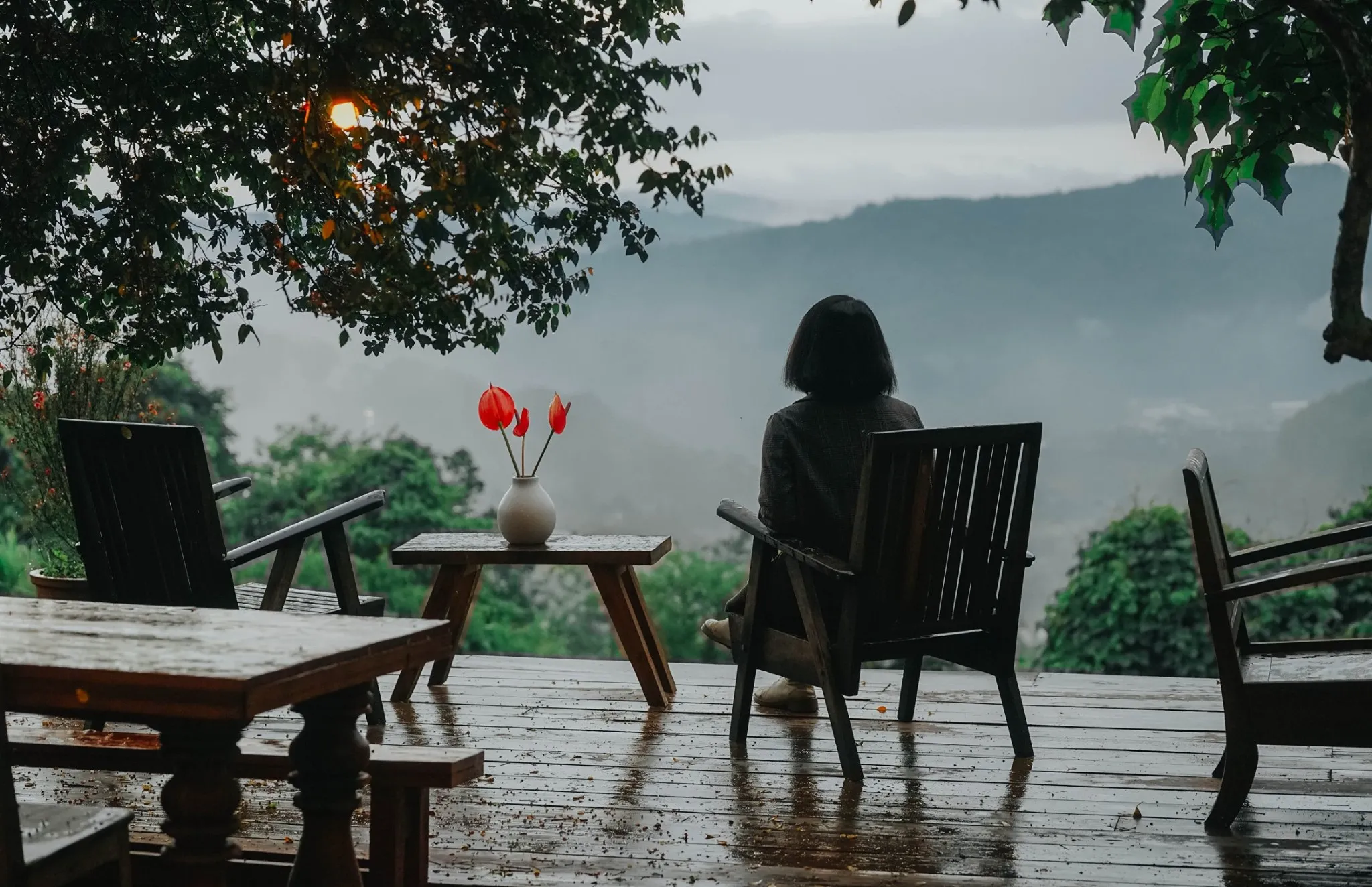
The rain makes Da Lat even cooler and more romantic. (Source: Internet)
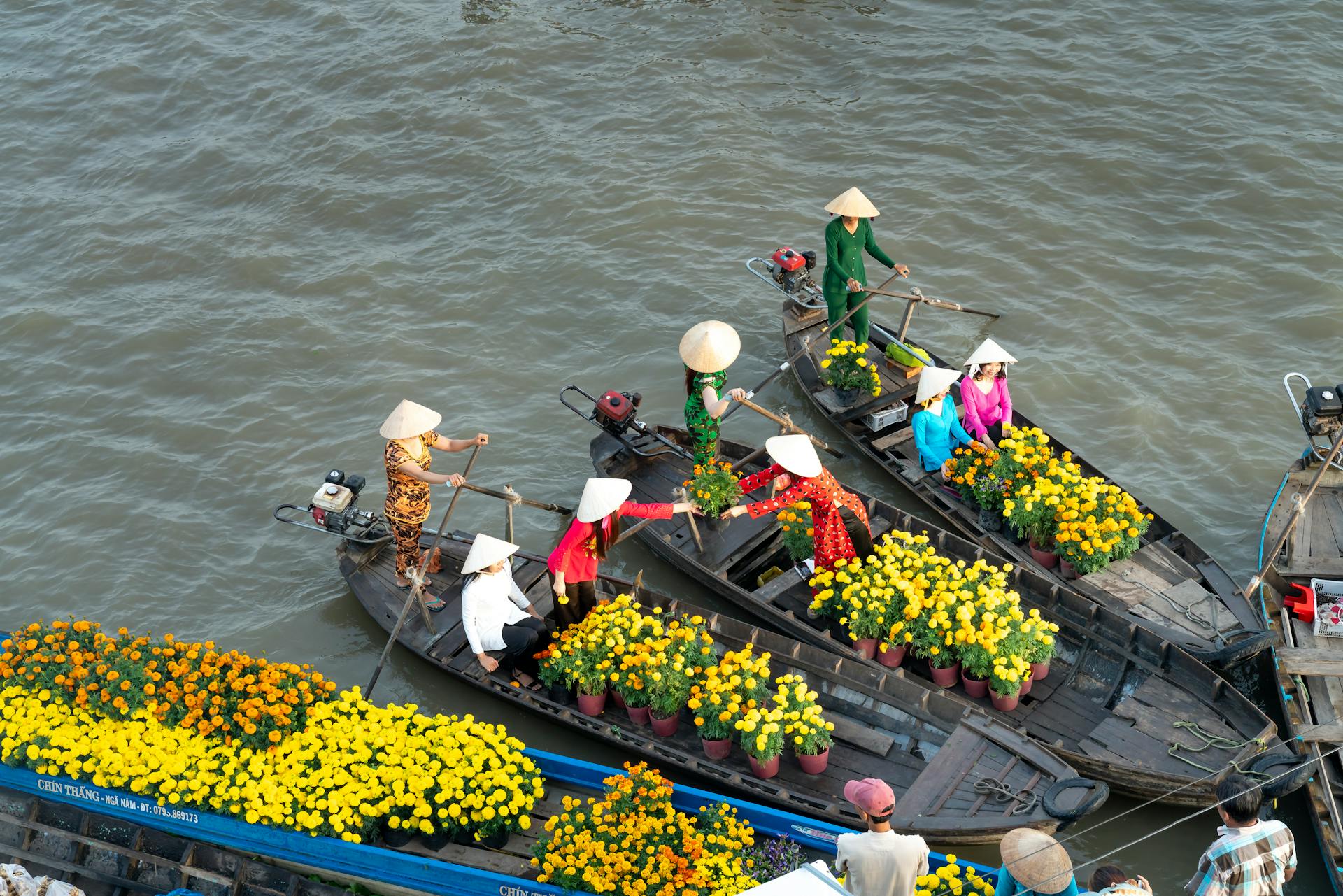
The low season coincides with the “floating water” season in Can Tho. (Source: Internet)
Can Tho
The low season coincides with the “floating water” season, which breathes life into the entire Mekong Delta. The waterways are full, and the landscapes are incredibly lush.
Make sure to head to the floating markets between 5 AM and 8 AM to witness the vibrant trade on the water. There’s nothing quite like pulling up next to a boat to grab a steaming bowl of Bun Rieu or fresh tropical fruits directly from the vendors’ decks.
An Giang
The Tra Su Cajuput Forest in An Giang is absolutely mesmerizing for those who choose to travel off-season in Vietnam. You can hop on a small wooden boat and glide through endless carpets of bright green duckweed. It’s a dream for nature lovers.
The rains bring out a rich variety of birds nesting in the canopy, and you can even watch locals harvest natural cajuput honey. It’s a peaceful, surreal ecosystem that feels completely hidden from the outside world.

The Tra Su Forest in An Giang becomes even greener and more lush during the rainy season. (Source: Internet)
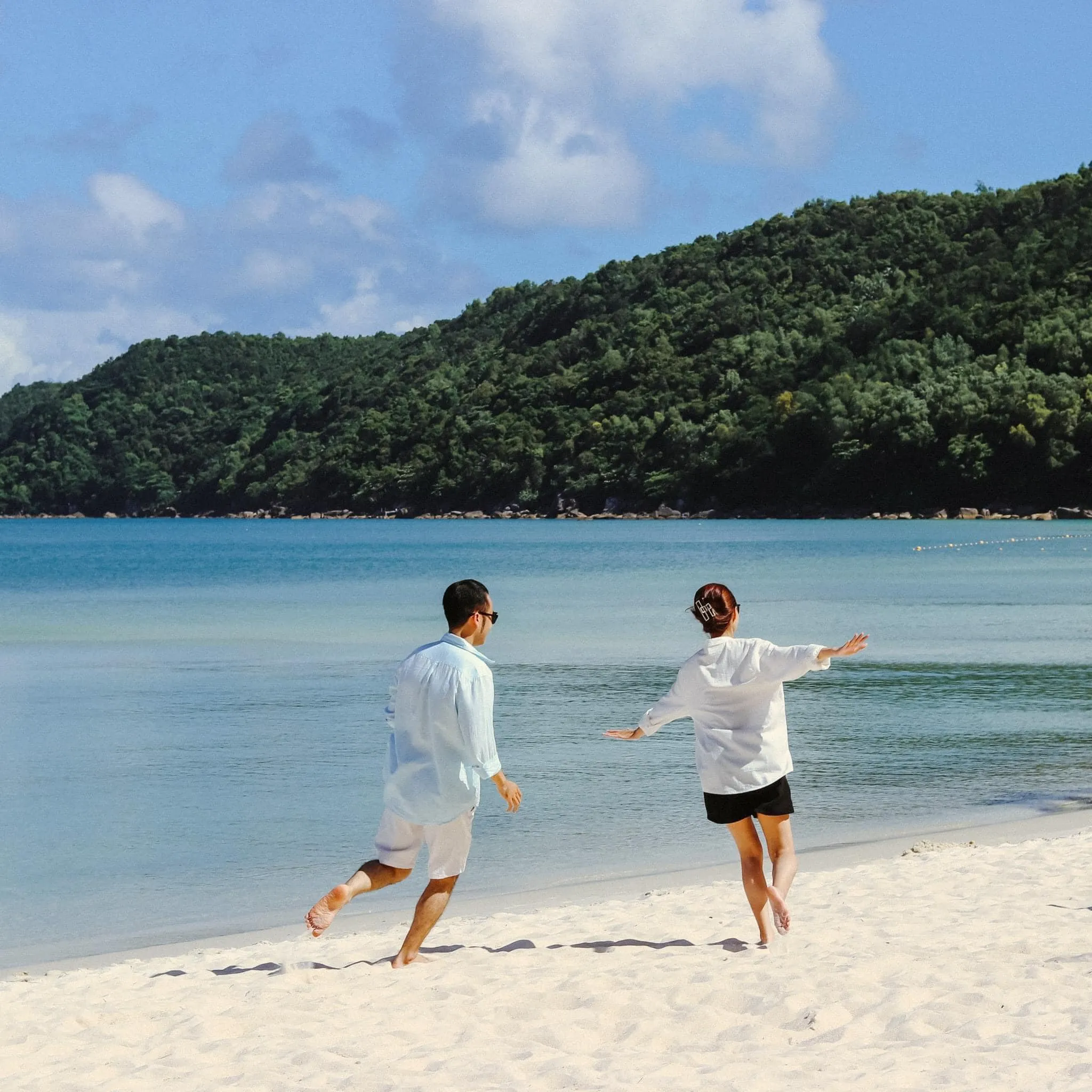
Khem Beach in Phu Quoc is especially beautiful during the rainy season. (Source: Internet)
Phu Quoc
Visiting Vietnam’s most famous island during the wet season (April to October) is the ultimate “luxury for less” hack. While it rains occasionally, the showers are often late at night or early morning, leaving plenty of sunshine during the day.
For the best experience, head to the southern beaches like Bai Sao or Bai Khem, which stay calm and sheltered even when the rest of the island is windy. Plus, you can try local Melaleuca mushrooms, a nutritious delicacy that only appears after the rains.
ISLAND ESCAPE
These updated tips give you everything you need to plan your holiday in Phu Quoc smarter: from the airfare updates, transportations to insider advice on where to stay and when to visit.
Essential tips for travel off-season in Vietnam
Traveling Vietnam during the off-season requires a bit of extra preparation, but it pays off in peace and savings. Here are the essential tips to make your trip smooth and stress-free:
- Bring lightweight, quick-dry clothes for the humid South and practice “layering” with warm sweaters or jackets if you’re heading to the Northern mountains.
- Keep a compact umbrella or a light poncho in your daypack, and carry a basic first-aid kit with medicine for colds or stomach issues just in case.
- Weather can cause flight delays or cancel Ha Long Bay cruises, so always have a “Plan B” like visiting a museum or joining a cooking class.
- Invest in dry bags or waterproof cases for your phone and camera to protect them from sudden tropical downpours while you’re out exploring.
- Start your day early to beat the crowds and, more importantly, to avoid the afternoon rain showers common in Southern Vietnam and the Mekong Delta.
- Wear shoes with excellent grip for muddy trails and always wear a life jacket on boats. Never swim if there are storm warnings or rough red-flagged seas.
- If you’re trekking in national parks after rain, wear long socks and use DEET-based repellent to ward off leeches.
- Boat trips to islands like Phu Quoc or Con Dao are frequently canceled due to rough seas, so check the morning status before heading to the pier.
Plan your off-season adventure in Vietnam today
Choosing a Vietnam travel off-season trip is the ultimate way to experience the country’s raw beauty without the crowds. While the weather requires a bit of flexibility, the reward of lush landscapes and incredible savings is well worth it. Embrace the rain, grab your camera, and discover a quieter, more authentic Vietnam.
If you’re still on the fence about navigating the weather or picking the right region, don’t let the uncertainty stop you. At Travel Sense Asia, we specialize in tailoring off-season itineraries that match your interests while dodging the heavy rains. Let us help you find the perfect hidden gems and luxury deals for your specific dates.
FAQs
1. When is the low season for traveling in Vietnam?
It generally runs from May to September (North and South) and September to early December (Central Vietnam).
2. What are the main benefits of traveling to Vietnam during the off-season?
You’ll enjoy significantly lower prices on flights and luxury resorts, fewer crowds at major landmarks, and a more authentic, relaxed connection with the locals.
3. Is the weather really that bad during the low season?
Not necessarily. While it can be very hot or rainy, showers are often short and intense (especially in the South), leaving the rest of the day clear and the landscape lush and green.
4. What should I pack for a low-season trip to Vietnam?
Pack lightweight, quick-dry clothing, a compact umbrella or raincoat, waterproof covers for your electronics, and high-grip shoes for slippery surfaces.
5. What are some of the best destinations to visit during the low season?
Hanoi and Hoi An for their peaceful atmosphere, Ninh Binh and An Giang for vibrant green scenery, and Phu Quoc’s southern coast for calm, sheltered waters.