




Sapa in Vietnam is one of those destinations that instantly captures travelers with its misty mountains, cool highland air, and peaceful scenery. While many people first come for the dramatic landscapes, they quickly discover that the real charm of Sapa lies in the experiences waiting around every corner. Read on to explore 8 must-try experiences that make Sapa such a special place to visit.
Why Sapa is one of trending destinations in Vietnam in 2026?
Sapa in Vietnam has been stood out for its combination of natural beauty and rich cultural diversity. The region is known for its dramatic mountain landscapes and iconic terraced rice fields that change with the seasons: lush green in summer and golden during harvest time. At the same time, it is home to several ethnic communities, including the Hmong, Dao, Tay, and Giay, each preserving distinct traditions, crafts, and ways of life.
Building on this setting, Sapa offers a wide range of experiences for travelers. They can trek through scenic valleys, explore local villages, or make their way to Fansipan, the highest peak in Indochina. Cultural activities such as traditional craft workshops, herbal baths, and vibrant local markets further enrich the journey, offering a deeper and more personal connection to the region.
Top 8 must-try experiences in Sapa to add to your Vietnam itinerary
Riding Alpine Coaster in Sapa
Child (90-135 cm): 100,000 VND (~$5)
Location: SaPa Alpine Coaster – Ban Mong Village, SaPa, Lao Cai
Set amid the spectacular scenery of Hoang Lien Son mountain range, riding an alpine coaster in Sapa is an experience that blends excitement with breathtaking natural views. Surrounded by misty peaks and layered valleys, the ride allows visitors to explore the mountain landscape in a way that feels both adventurous and scenic.
Before the ride begins, guests are guided through a short safety briefing that prepares them for the journey ahead. As the coaster gradually leaves the station, anticipation builds while the track begins winding down the mountainside. The ride flows through a series of gentle curves, sharper turns, and exciting slopes, each section revealing a different view of Sapa’s vast and dramatic terrain.
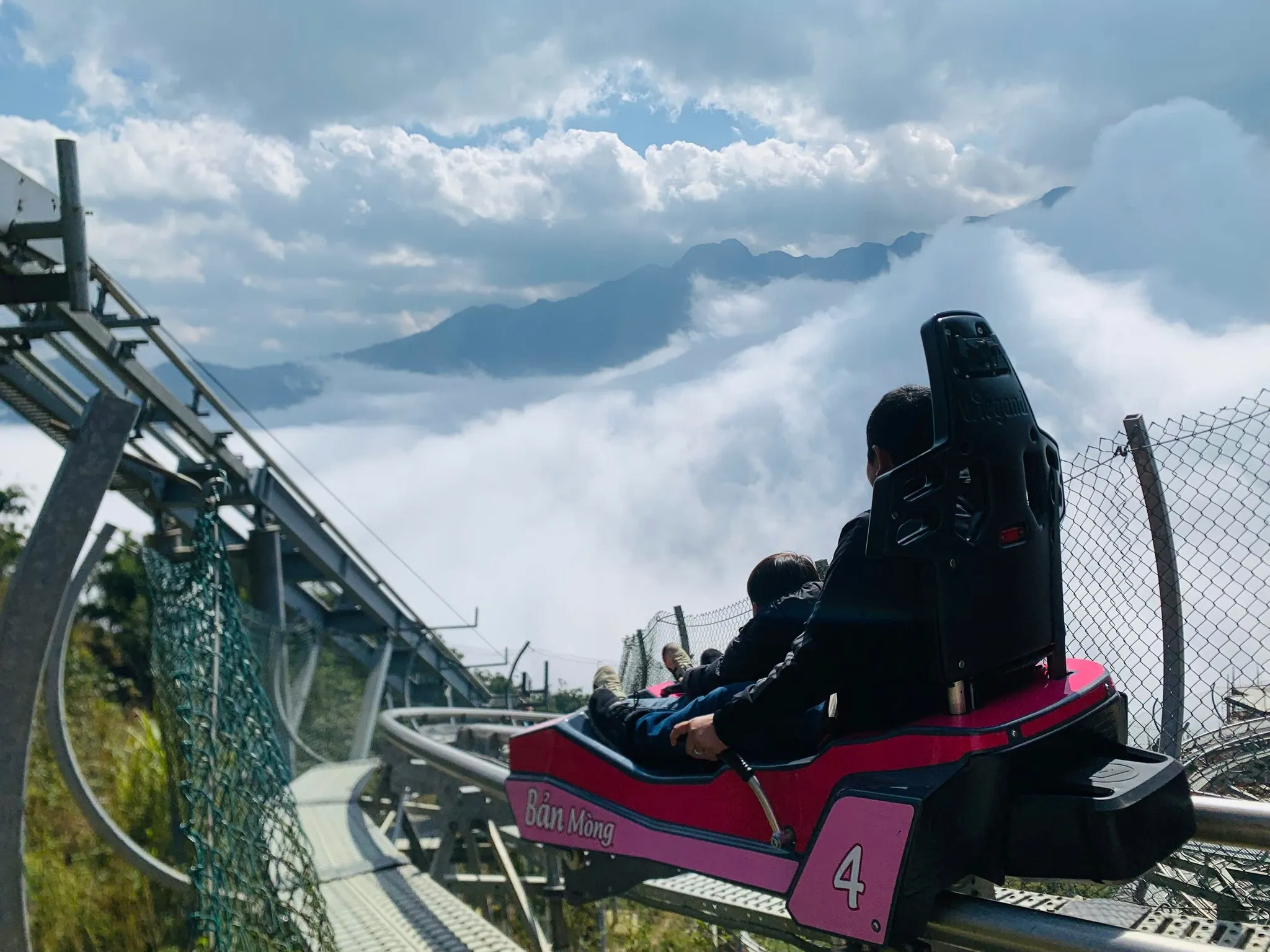
Alpine coaster offers thrilling rides through mountain landscapes in Sapa

Indigo dyeing creates beautiful patterns on handmade textiles
Indigo Dyeing
Location: Indigo Store Sapa, Lao Chai, sapa
If you are looking for meaningful cultural experiences in Sapa, joining an indigo dyeing workshop is a wonderful way to connect with local traditions. This hands-on activity allows travelers to learn the art of natural indigo dyeing directly from artisans of the Hmong community, who have practiced this craft for generations.
You will prepare a piece of fabric and dip it into natural indigo dye made from fermented indigo plants. As the fabric reacts with the air, the color slowly deepens into the signature rich blue that is widely associated with traditional Hmong textiles.
Beyond the craft itself, the experience also offers insight into daily life in the mountains around Sapa in Vietnam. Artisans often share stories about farming, traditional clothing, and the cultural meaning behind indigo dyed fabrics. Travelers can also support community based tourism, helping preserve local knowledge and craftsmanship for future generations.
Sapa Rainbow Slide
Location: Swing Sapa, Cat Cat Village or Sapa Green Valley
The rainbow slide in Sapa is a simple but exciting activity for visitors who want a bit of fun between sightseeing stops. The slide stretches down the hillside with three gentle slopes, and its wide lanes allow two or even three people to ride side by side, making it a great activity to enjoy with friends or family.
Riders sit on a large inflatable tube equipped with handles and a safety strap before gliding down the colorful track. The ride flows smoothly from one slope to the next, which create a short burst of speed and plenty of laughter along the way. Since the slide runs in one direction, visitors can walk back up the stairs afterward if they want to try it again.

Visitors ride the rainbow slide and enjoy a fun downhill experience
EDITOR’S PICK
Want to combine the thrill of Sapa with an authentic cultural journey? Discover our handcrafted Northern Vietnam itineraries.

Short trekkings in Sapa provide relaxing walks with stunning views and local daily life
Short Trekking in Sapa
Location: Muong Hoa & hAU THAO, SaPa
Short trekking around Sapa in Vietnam offers travelers an easy way to explore the region’s landscapes without committing to a full-day hike. Trails leading to villages such as Hau Thao provide gentle routes through rice terraces, quiet paths, and open mountain views, making them suitable even for beginner hikers.
Another rewarding route takes visitors toward Hau Chu Ngai, where the scenery feels more secluded and authentic. Along the way, trekkers often pass terraced fields, wooden houses, and small farms that reflect the daily life of local ethnic communities.
Sapa Red Dao Herbal Baths
Location: Ta Phin Village, SAPA
Among the many cultural experiences in Sapa in Vietnam, the traditional herbal bath of the Dao people is one of the most distinctive. Known for their deep knowledge of medicinal plants, the Red Dao community has long used forest herbs to create therapeutic baths that help restore both body and mind after a long day in the mountains.
During the experience, visitors soak in a wooden tub often made from aromatic Po mu wood while warm herbal water slowly releases its natural fragrance. The bath is carefully prepared using dozens of different herbs, including several rare plants gathered from nearby forests. For many travelers, soaking in a Red Dao herbal bath becomes the perfect way to unwind after trekking through the mountain landscapes around Sapa in Vietnam.

Visitors usually enjoy Red Dao herbal baths after long trekking days in Sapa

An artisan practices beeswax batik to decorate fabrics
Traditional H’Mong BeesWax Batik in Sapa
When exploring the villages around Sapa, many travelers enjoy discovering the traditional beeswax batik craft of the Hmong people. This long standing textile technique has been passed down through generations.
In a typical workshop, visitors are welcomed by a local artisan who introduces the basic tools and techniques. Using a small batik pen filled with melted beeswax, participants draw simple patterns on fabric. The cloth is then dyed with indigo, and once the wax is removed, the protected areas reveal beautiful white patterns against the deep blue background.
The experience is simple but meaningful. It helps travelers understand the time and skill behind traditional H’Mong textiles. At the same time, joining the workshop also supports local artisans and helps keep this cultural craft alive in the Sapa region.
EXPLORE MORE
Planning your train journey from Hanoi to Sapa? Read our complete travel guide for a smooth and scenic ride.
Brocade Weaving Workshop
Scarves and Bags: 50,000 – 440,000 VND ($2 – $17 USD)
Clothing Sets: 300,000 – 700,000 VND ($12 – $27 USD)
Location: Lan Rung Brocade Village / Ta Phin Village
Beyond its mountain scenery, Sapa in Vietnam is also well known for traditional textile crafts, especially brocade weaving. Visitors who are curious about local culture often take time to explore weaving villages where skilled artisans continue to produce colorful fabrics using techniques passed down through generations.
Many workshops and local shops also display finished products made by ethnic communities. Travelers can browse handmade items such as traditional clothing, scarves, bags, or decorative pillow covers, making it easy to bring home a meaningful souvenir from Sapa.

Brocade weaving from skilled local artisans in Sapa

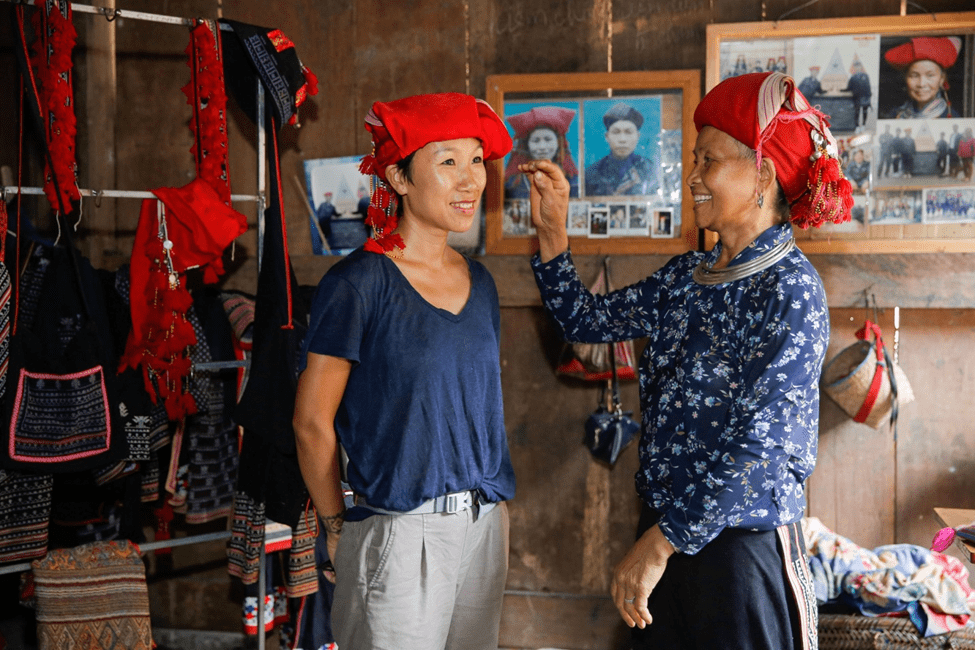
A tourist wearing the traditional costume in Sapa
Trying on Traditional Ethnic Costumes
Children: 30,000 VND/person
Location: Art House Sapa
When visiting Sapa in Vietnam, many travelers enjoy renting traditional ethnic costumes for photos. Small rental shops near the town center and popular attractions offer outfits inspired by local communities such as the Hmong and Dao. These costumes often include colorful embroidered dresses, indigo tops, traditional headscarves, and silver accessories.
The rental process is simple and convenient. Visitors can choose from different outfits and accessories, and some shops also help adjust the costume or suggest simple photo poses. After getting dressed, travelers often walk around the town square, terraced rice fields and quiet village paths nearby to capture beautiful photos.
However, travelers should be aware that some rental shops may offer costumes inspired by other countries’ cultures, rather than authentic local ethnic outfits, so it is important to choose carefully.
Things to know before traveling to Sapa in Vietnam
- The weather can change quickly: Sapa’s mountain climate shifts fast, so it’s common to experience sunshine, fog, and light rain on the same day. Pack layers and bring a light waterproof jacket.
- Respect local photos and ask first: In many villages, especially among the Hmong and Dao communities, it is polite to ask before taking photos of people, particularly elderly residents and children.
- Avoid giving money or candy to children: Some travelers do this with good intentions, but it can encourage children to leave school to interact with tourists. If you want to support locals, buying local handicrafts from families or donating school supplies for kids is a better option.
- Street vendors may walk with you for a while: In the town center or during trekking routes, local women sometimes chat with visitors while walking alongside them and may later offer handicrafts for sale. This is common and usually friendly, so a polite decline is perfectly acceptable.
- Wear practical clothes when visiting villages: Trekking routes often pass through working farms and muddy paths. Comfortable clothing and sturdy shoes are more useful than fashion outfits.
- Don’t plan a schedule that’s too tight: Mountain travel can take longer than expected because of winding roads and weather conditions, so leaving extra time between activities helps keep the trip relaxed.
FAQ about traveling to Sapa
When is the best time to visit Sapa?
The best time to visit Sapa in Vietnam is from March to May and from September to early December. During these months, the weather is usually mild with less rain, which is ideal for trekking and outdoor activities. Late August to early September is also famous as the “golden rice season,” when terraced fields turn bright yellow before harvest.
How many days should you spend in Sapa?
Spending about two full days in Sapa is ideal. Since most buses or trains from Hanoi arrive in the evening and departures often leave early in the morning, travel days usually allow little time for sightseeing. Two full days give you enough time to trek through villages, visit viewpoints, and explore highlights like short trekkings.
Do you need a guide for trekking in Sapa?
A guide is not always required, especially for short and well known trails near town. However, many travelers choose to trek in Sapa in Vietnam with local guides because they know the routes well and can share insights about village life, culture, and the surrounding landscapes.
How do you get from Hanoi to Sapa?
The most common way to travel to Sapa from Hanoi is by overnight train or sleeper bus. Trains arrive in Lao Cai, followed by a short drive to Sapa, while sleeper buses travel directly to the town. The journey usually takes around 5 to 8 hours. Travelers who prefer a smoother and well organized trip can also book a guided transfer or tour through local operators such as Travel Sense Asia.
Sapa in Vietnam offers far more than beautiful mountain scenery, with experiences that range from outdoor adventures to meaningful cultural encounters. From trekking through terraced valleys to exploring traditional crafts and local villages, these above mentioned activities highlight what makes Sapa such a memorable destination.
For a well-planned journey that brings these experiences together, travelers can explore curated trips with Travel Sense Asia.